
Digital Assessment

The Digital Assessment is the first concrete step toward starting a company’s digital transformation journey.
Through an in-depth analysis of processes, people, and tools, it allows for identifying bottlenecks, defining strategic priorities, and building a tailored digital evolution roadmap.

The (fundamental) role of the Digital Change Agent
The Digital Assessment is led by the Digital Change Agent, a professional expert in digital transformation. Their task is to support the company in analyzing the current state, designing future scenarios, and selecting the most suitable digital solutions. Thanks to a cross-functional, operational, and result-oriented vision, the Digital Change Agent connects strategy, people, and technology, ensuring consistency throughout the entire innovation journey.
Download the white paper and discover how to structure an effective digital transformation journey.
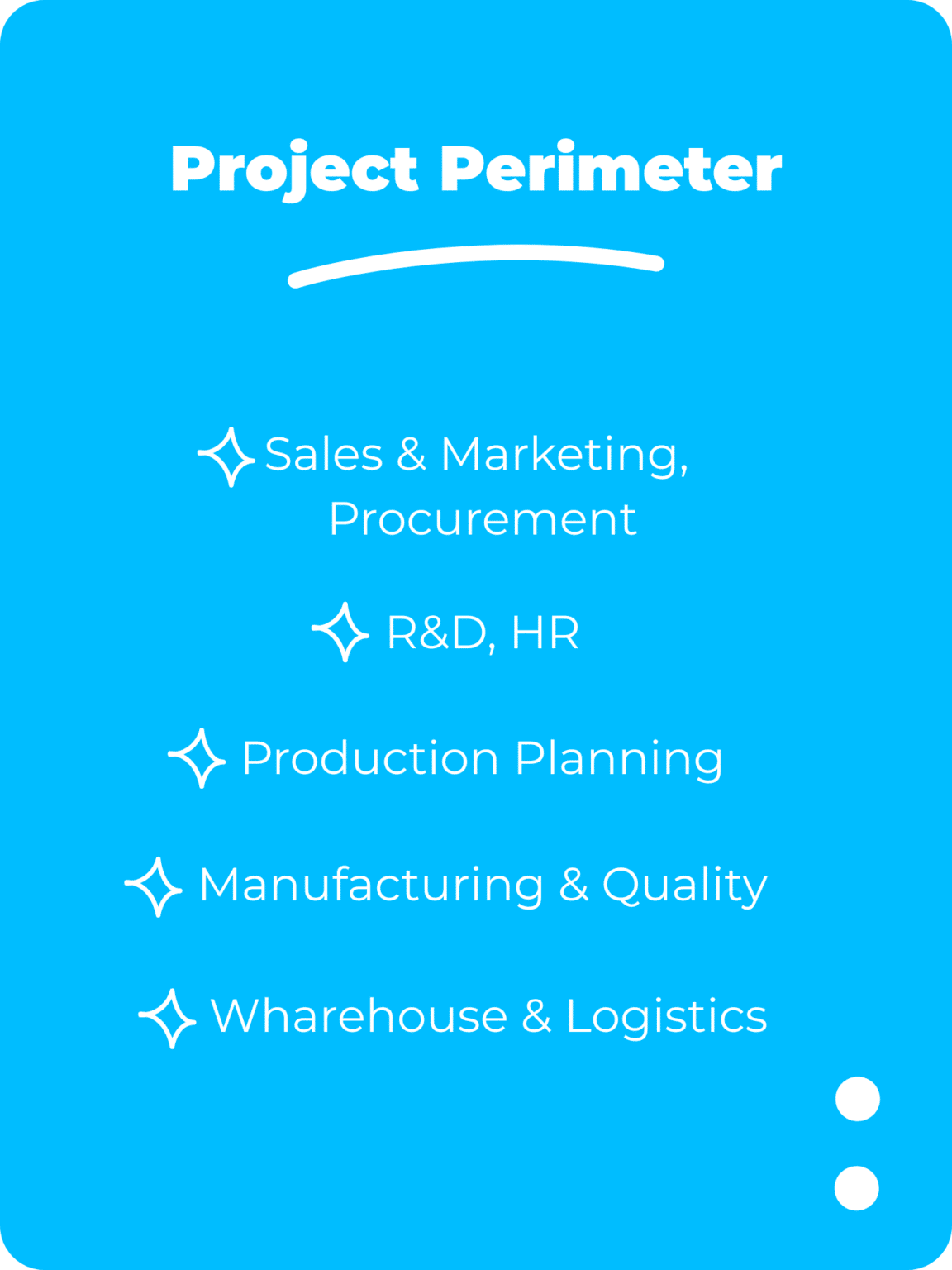
A cross-departmental analysis of all company departments
The Digital Assessment is not limited to production; it can involve all company departments.,depending on your needs. The Digital Assessment can also involve:
- Administration and Finance
- Marketing and Sales
- Logistics and Supply Chain
- Human Resources
- IT and Facility Management
This cross-functional approach makes it possible to identify interdependencies between departments, optimize workflows, and ensure a truly integrated digital transformation.
The process
How is a Digital Assessment carried out?
The journey consists of four main phases:
1. Definition of business objectives and priorities
Strategic digital goals are identified,aligned with actual business needs. Each goal is assigned a priority to guide design and technological choices.
2. Analysis of current processes and tools in use
A mapping of the most critical, high-value processes is carried out, including the people involved, operational workflows, and digital tools already in use. The objective is to identify inefficiencies and areas for improvement.
3. Proposal of future scenarios and ROI and ROD analysis
New digital scenarios are designed and the potential returns—both financial (ROI) and informational (ROD – Return on Data)—are evaluated for each identified project.
4. Implementation and development roadmap
A sustainable roadmap is defined and a realistic one, taking into account business priorities, available resources, and execution timelines. The result is a concrete, actionable plan that can be implemented immediately.
What do you get with our Digital Assessment?
A clear snapshot of your company’s current state.
The definition of digital goals and priorities.
An analysis of expected returns (ROI and ROD).
An operational roadmap ready for implementation.