

When a senior operator retires, manufacturers risk losing years of valuable know-how. Discover how Cicero’s AI captures, preserves, and makes industrial expertise accessible across the organization.
Knowledge loss is a growing threat to manufacturing efficiency. As experienced operators retire, companies risk losing years of expertise, practical know-how, and undocumented best practices. To preserve this invaluable knowledge, Artificial Intelligence solutions like Cicero enable manufacturers to capture, digitize, and make industrial expertise accessible across the organization.
Whenever a senior operator with thirty years of experience reaches retirement, the company celebrates an important personal milestone—but it may also face a significant operational challenge. Hidden within every production facility lies an invisible asset: institutional know-how. This is what we refer to as industrial knowledge loss—the disappearance of undocumented skills, insights, and problem-solving capabilities when experienced employees leave the plant.
Those small trade secrets—like knowing how to adjust a machine parameter based on air humidity, or recognizing the wear of a mold simply by listening to the sound of a press—are rarely found in any operating manual. Without a strategy to preserve this expertise, generational turnover inevitably leads to lower productivity, reduced efficiency, and quality issues.
Why Traditional Knowledge Transfer No Longer Works
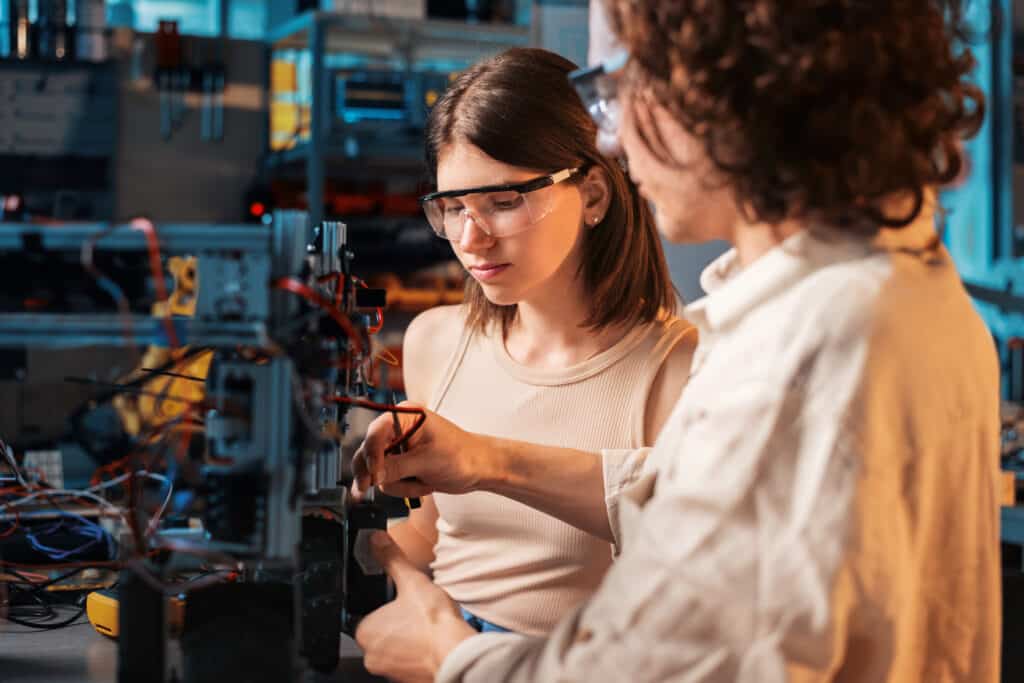
Until a few years ago, the solution was straightforward: traditional job shadowing. New hires would work alongside experienced operators for several weeks, learning by observing and gradually absorbing their skills through hands-on experience.
Today, however, this approach faces two major challenges:
- The pace of modern manufacturing: Tight production schedules, strict deadlines, and frequent changeovers leave very little time for informal, on-the-job training.
- The generational and communication gap: Today’s new generation of manufacturing operators learns in a fundamentally different way—digital-first, interactive, and highly visual. Expecting younger employees to rely on dusty binders or fragmented verbal instructions often leads to frustration and significantly slows the learning process.
Standardizing Expertise Without Losing Craftsmanship
Digitizing know-how does not mean turning the factory into a sterile environment or standardizing operators to the point where they become robots. On the contrary, it means freeing people from repetitive errors while empowering them to focus on higher-value decisions and fully leverage their expertise.
Modern technology makes it possible to capture the best practices of experienced technicians and transform them into dynamic, digital tools available directly on the shop floor. These include machine-mounted displays that replace paper instructions with interactive checklists, short on-demand video procedures (microlearning), and guided workflows that support operators step by step during critical tasks such as machine setup or complex maintenance operations.
Innovation in the Service of Industrial Know-How: The Example of Italian Manufacturing Excellence
The most forward-thinking manufacturers—particularly long-established metalworking companies specializing in precision engineering and metal stamping—recognized this shift before many others. A compelling example is the experience of F.lli Poli, a company that has made the preservation and enhancement of industrial craftsmanship a core part of its identity. Rather than allowing the expertise of seasoned operators to disappear, the company centralizes this knowledge and makes it instantly accessible to every employee, including the newest hires, ensuring consistent quality and operational excellence across the shop floor.
From Listening to Technology: The Answer Is Cicero
Capturing and making shop floor expertise accessible requires more than static databases or shared folders where documents are easily forgotten or difficult to find. It requires an intelligent solution that bridges the gap between a company’s vast knowledge base and the operator who needs immediate, context-specific information while working on the machine.
The answer to this challenge is Cicero, the Artificial Intelligence solution developed by AzzurroDigitale. Designed specifically to unlock and enhance the value of a company’s knowledge and information assets, Cicero acts as an advanced AI assistant.
Instead of forcing a new operator to search through hundreds of pages of technical manuals or historical maintenance reports to resolve an issue, Cicero allows users to query the company’s knowledge base using natural language. Operators simply ask a question, and the AI instantly analyzes documentation, historical records, and operating procedures to deliver the right answer in seconds.
By doing so, the expertise accumulated over decades by senior technicians is captured, digitized, and preserved—making it immediately available to the entire workforce whenever and wherever it is needed.
Turning Workforce Turnover into an Opportunity for Growth
Generational turnover on the shop floor should not be viewed as a threat to product quality, but as a powerful opportunity to drive continuous improvement. By building a digital ecosystem that captures and preserves the expertise of experienced operators, manufacturers can safeguard operational continuity, strengthen organizational resilience, and accelerate workforce training—enabling new employees to become productive in a fraction of the time.
FAQ – Frequently Asked Questions About Knowledge Loss
What Is Knowledge Loss in Manufacturing?
Knowledge loss occurs when experienced employees leave a company—most commonly due to retirement or workforce turnover—taking with them critical expertise, practical know-how, and problem-solving skills that were never formally documented. In manufacturing, this can lead to an immediate decline in operational efficiency, productivity, and product quality.
How can manufacturers capture operators’ undocumented knowledge?
The most effective approach is to digitize knowledge directly on the shop floor, transforming individual expertise into a valuable company asset. This can be achieved by creating short operational video tutorials, interactive machine-side checklists, and step-by-step digital guides that support operators during complex tasks, making onboarding faster and learning more intuitive for new employees.
How can Artificial Intelligence help new operators find information on the shop floor?
AI-powered tools like Cicero, developed by AzzurroDigitale, enable new operators to query the company’s entire knowledge base—including manuals, maintenance records, and operating procedures—using natural language. Instead of manually searching through complex documentation, operators simply ask a question and receive the right answer in seconds, allowing them to resolve issues on the shop floor faster and significantly accelerating the learning process.